
I don’t wake up thinking about sustainability. Like most students, I wake up later than planned, get ready, and catch the train to uni.
Like many students who are working or studying at University, they are getting their degree and submitting assignments on time. Sustainability would only come up during assignments or in the news, but I never really applied it to my day-to-day life. Not because I didn’t want to, but because I never really found the opportunity to make that change. However, studying at the University of Westminster for three years has slowly changed my perception of that. The main point I learned is that sustainability doesn’t have to be hard; in fact, it’s easy for me to make those changes as a student.
One of the first things I learnt is how much your environment around you changes how much you believe you can change. It’s the small things that start adding up, such as using disposable cups, ordering from Uber Eats, and printing stuff because the infrastructure is available to me. When you take a step back and look at those things, they may seem like small things that don’t affect sustainability, but when you cluster everything and start to add it all up, the impact on the environment is bigger than you think.

I had the luxury of studying at the University of Westminster, where sustainability is one of its core values, which made it easier for me to make those small changes to my habits. The University of Westminster aligns its work with the UNITED NATIONS SUSTAINABLE DEVELOPMENT GOALS. In simple terms, sustainability is embedded into all parts of the University, teaching, research, and the campus.
Understanding that sustainability is not just a future goal but a vital part of our daily lives truly inspired me to reflect on my own habits. I began to see how easy it is to incorporate sustainable practices into my daily routine, such as recycling, reducing waste, and opting for eco-friendly products. It became clear that I had unintentionally pushed these essential issues to the back of my head, but that’s changing! By educating myself about environmental challenges and the powerful effects of our choices, I took smaller steps to make changes in my lifestyle. And every small step counts towards a healthier planet.
What made Westminster’s approach to sustainability different? It was the fact that their approach to sustainability took into account the understanding that students and teachers, including those with busy schedules, financial problems, and assignments to complete, would be involved.
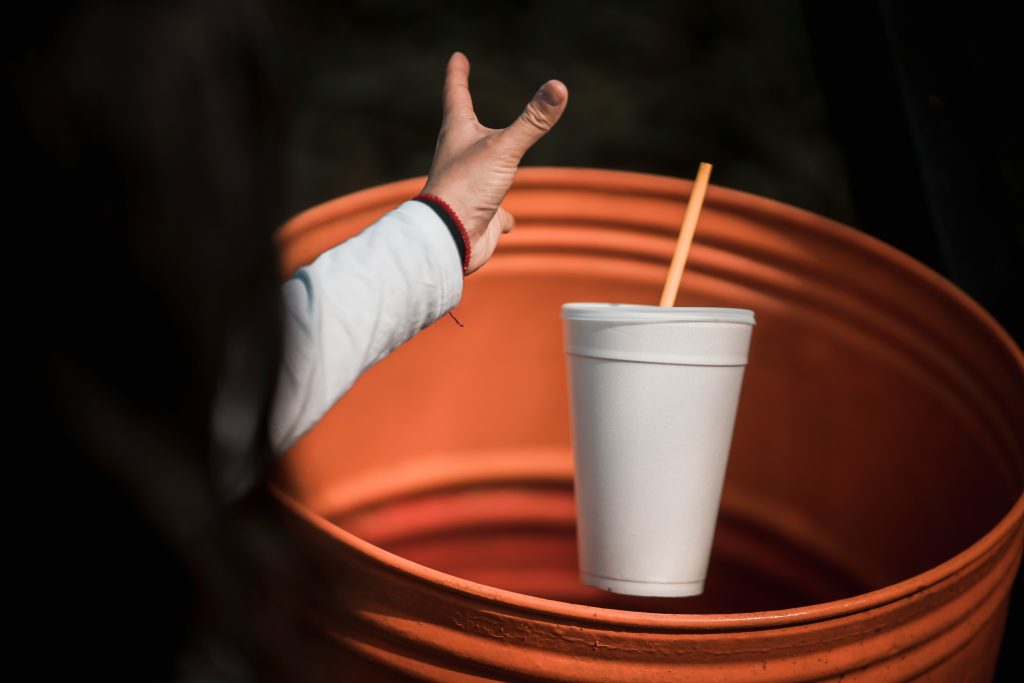
A recent fact I learnt is that almost 2.5 billion disposable coffee cups are used yearly in the UK, AND ONLY 1% OF THAT IS ACTUALLY RECYCLED. When I found that out, I was initially taken aback, as I couldn’t comprehend such a significant number, and then I realised I should make a change. So I started using and carrying a reusable cup. On the surface, it sounds like such a small change, and it genuinely doesn’t scream I’m saving the planet. single. handledly. However, it’s often the smaller choices and the ordinary ones that genuinely make a difference in the long term.
Another area in which I made changes is the way I travelled to and from places. I had the opportunity to study in London, which meant that the infrastructure around me allowed me to easily travel to and from University sustainably. Living and studying in London meant that there was always an alternative method of transport available for us that could help reduce at least over a billion carbon grams of CO2 emissions released by cars every year in the UK. I know that life isn’t perfect, which often means that time constraints and other problems arise, making public transport unavailable. However, studying at the University of Westminster taught me that being environmentally friendly and sustainable isn’t something you can do overnight. Still, it’s more of a long-term process where small habits, added up, have an impact.

As a student myself, I can relate to the many demands we face, such as attending lectures, meeting assignment deadlines, and navigating personal challenges. Under these pressures, it often feels overwhelming, and the importance of using reusable cups or properly disposing of waste can easily slip from our minds. However, it’s important to understand that meaningful change cannot be achieved through companies fulfilling quotas cause they need to. Genuine transformation comes from individuals making conscious, incremental adjustments to their daily routines. By adopting small habits—such as choosing a reusable cup for coffee or taking a moment to sort waste people can collectively foster a more sustainable culture and inspire others to take similar steps. Ultimately, these small actions, when multiplied across a larger group, can lead to a significant positive impact on our environment.
Now, that’s not to say I’m perfect when it comes to sustainability and implementing it in my day-to-day life. I still drive my car sometimes, and sometimes I forget my reusable cup. But once I became aware of the actual crisis, it wasn’t something that I could keep in the back of my mind anymore. Instead, it’s a part of my daily routine. Habits are so subconscious that I’m doing my part to contribute to sustainability. Studying in Westminster, being in an environment where they understand that it’s a process, not a one-time thing, allows me to maintain my focus on lectures and assignments, drink matcha, and still have a social life as a student.
Sources:
Grammarly was used to fix grammar mistakes