

So here’s the guide for students actually need. The real advice people only realise after making a few mistakes along the way!

- Being a Home Student Does Not Mean You’re Missing Out
Plenty of Westminster students live at home. It is more common than people expect. In fact, 65% Students are from the UK. You are not the odd one out, and you are definitely not getting a ”lesser” experience.
Home students build their social lives differently. Instead of flatmates, connections come from course friends, societies, group projects, or even chatting to someone before class starts. Uni life doesn’t only happen in accommodation. It happens in moments around campus, and you still get plenty of those.

2. Spending Time on Campus Helps You Settle Faster
Each Campus has its own personality and energy. Marylebone feels busy. Cavendish is calmer. Harrow feels creative and relaxed. After a while, you just start getting used to the different spaces, and they don’t feel as intimidating. Research shows that students who feel connected and engaged with campus life are more likely to persist in their studies and enjoy better well-being than those who feel isolated. (Advance HE,2024)
Many home students go straight home after class at first. But staying even a little bit longer helps you feel more connected. You start recognising faces, you find your regular study spot, and the whole environment feels less intimidating. You don’t need to be on campus every day, but maintaining a presence there really helps.

3. No One Feels Confident at the Start
Students often assume anyone else knows what they’re doing. They don’t. Most first-year students feel unsure, nervous, or a bit overwhelmed. Even the confident-looking people are usually stressed about something. First-year students are more likely to feel unmotivated.(Studiosity,2021)
Confidence at uni shows up slowly. You talk to someone new. You speak once in a seminar. You join a society event. You survive your first presentation. These small moments build up without you realising. By the third year, you handle situations you used to avoid.

4. Support Exists for a Reason and It’s Worth Using
Many students wait until things become unmanageable before seeking help. But Westminster actually has a lot of support, and it is designed to be used.
Mental Wellbeing services, Student advisers, Disability support and study skills workshops all help more than people expect. Lecturers also appreciate honesty and would rather guide you early than receive a panicked email at midnight the day before a deadline. Asking for help is not a sign that you are struggling. It shows you’re taking responsibility for your learning.
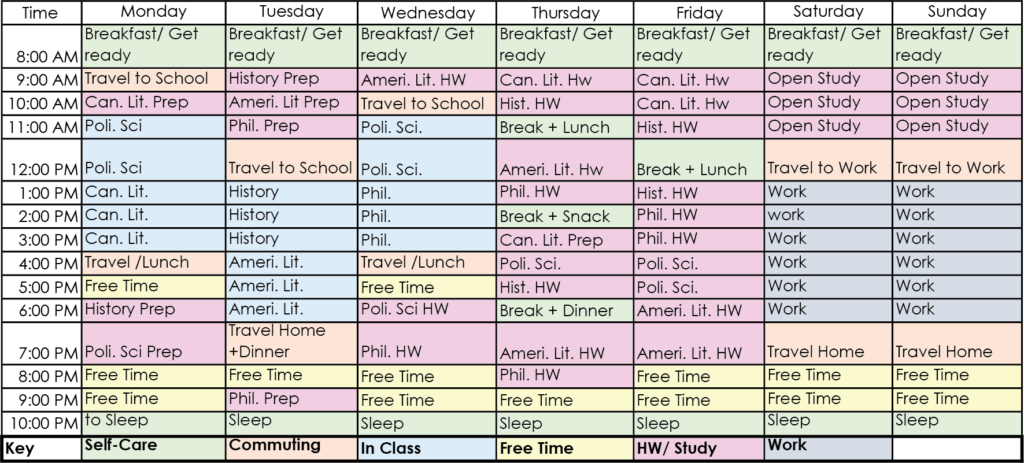
5. Time Management Makes the Biggest Difference
Uni deadlines tend to appear all at once. Even students who plan to stay organised often end up scrambling if they do not set up some kind of system early.
You do not need a perfect routine. You just need a simple way to keep track of work. Weekly timetabling, reminders and breaking tasks into smaller steps can make a huge difference. The students who cope best are not those who study constantly. They are the ones who plan realistically 66% of UK students said time management was a challenge associated with stress during their studies.

6. The Library Will Become Useful Eventually.
Even if you prefer working from home or a coffee shop, The Library ends up helping more. The atmosphere puts you in a focused mood and keeps you away from distractions. It also provides access to books, online journals, printers, and quiet spaces.
Going even once or twice a week can help you stay on top of things. Being around other students who are also working can motivate you to keep going.Over 80% of students say they work more effectively in the library than at home (UK library studies, 2023)

7. Uni Helps You Grow More Than You Realise
Uni shapes you in small ways. You learn to manage your own time, speak up more, meet new people and handle situations you would have avoided before. It does not happen all at once. It happens slowly, through everyday experiences.
Most third-year students can look back and see a clear difference between who they were in first year and who they are now. The growth is real, even if it doesn’t feel dramatic while it’s happening.By the third year, 73% of students report major personal growth in confidence and independence (Graduate Outcomes Survey).
8. Everyone Has a Different Uni Journey
Some students make friends right away. Some take longer. Some join societies. Some keep to themselves. Some feel settled in a few weeks. Others need months. All of these experiences are normal.
Comparing yourself to others only makes uni harder. Students come from diverse backgrounds, have varying responsibilities, and progress at their own pace. What matters is finding what works for you. The 2024–25 Student Active Wellbeing Survey reveals a clear correlation between involvement in sport and positive student wellbeing and social inclusion — active students are more likely to feel included and have better overall wellbeing.

9. Remember to Enjoy the Good Moments
Between deadlines and stress, it is easy to forget that university can be fun too. You meet new people, learn new things and have experiences you will remember years later. Sometimes it is something small, like laughing with friends after a long day or finally understanding a topic you struggled with.
Uni goes faster than anyone expects. Try to notice the good parts instead of rushing through everything.Students who engage in even one social activity per week report 40% higher wellbeing (Student Minds, 2023).

Final Thoughts
Uni feels overwhelming at times, but most students figure things out bit by bit. You don’t need to have a plan for everything, and you definitely don’t need to get it right straight away. What helps the most is giving yourself time, asking for support when you need it and finding a routine that works for you.
Everyone’s uni experience is different, so there’s no point comparing yourself to others. As long as you keep trying and stay open to learning, you’ll grow without even realising it. Uni isn’t always easy, but it does change you in a good way, and by the end, you realise you handled more than you thought you could.