
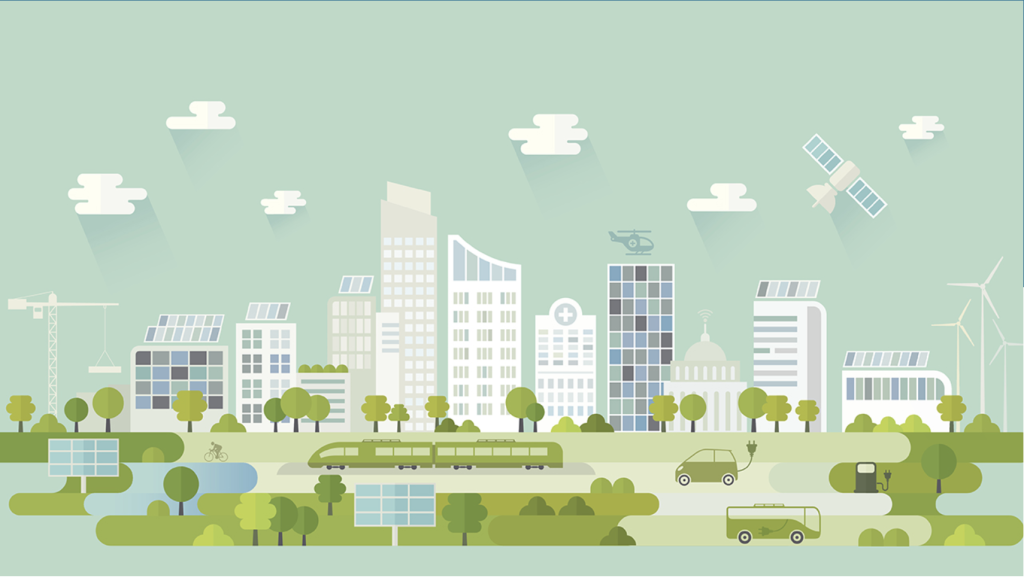
Going to university means that students are responsible for many things, from studying to hanging out with friends to other daily activities. With an already busy schedule and the current environment we are living in, sustainability would appear to be another thing to add to a very long to-do list. As a student myself, I have seen that our decisions could make a huge difference in our campus, our surroundings, and the environment. I’ve decided to write about this topic because I feel that each of us could have the power to add sustainable changes to our everyday lives. I know that as a student living expenses are a big factor, however living a sustainable life doesn’t have to be costly; it only requires a little bit of our daily routines to be done in a sustainable manner. What I mean by this is adding small changes, like reducing the use of plastic you have probably heard of this statement so many times, but once it is implemented into your routines, that is when you’re making a difference. Small changes can also be, using eco-friendly products, saving energy, and being mindful of our consumerism. That may have sounded long, but they’re small factors that are just the beginning of your sustainable journey. After three years of being a university student, I realized that it really is the little things in life that add up to making a difference and in this case, it is our environment.
Sustainability on a Student Budget
As a current student myself, I feel like most students usually get coffee on the way to class or eat lunch on campus or stop for groceries on the way back home. These are our most convenient moments, but they’re also when we make fast choices without knowing the consequences. Ways to be sustainable as a student can be using a reusable cup or bag. This reduces the amount of single-use packaging and helps you spend less on grocery bags in store. This includes energy consumption, personally I have always forgotten to do this. But after my three years of living alone, I realized switching off the lights when leaving the room or unplugging the chargers when they’re not being used is one of the simplest ways to being sustainable. By doing this not only are you being sustainable but you’re also saving money, which is a main factor for us students. Saving energy is shown to lead to utility bill savings ranging from 5% to 30% depending on your energy consumption.
Public Transport
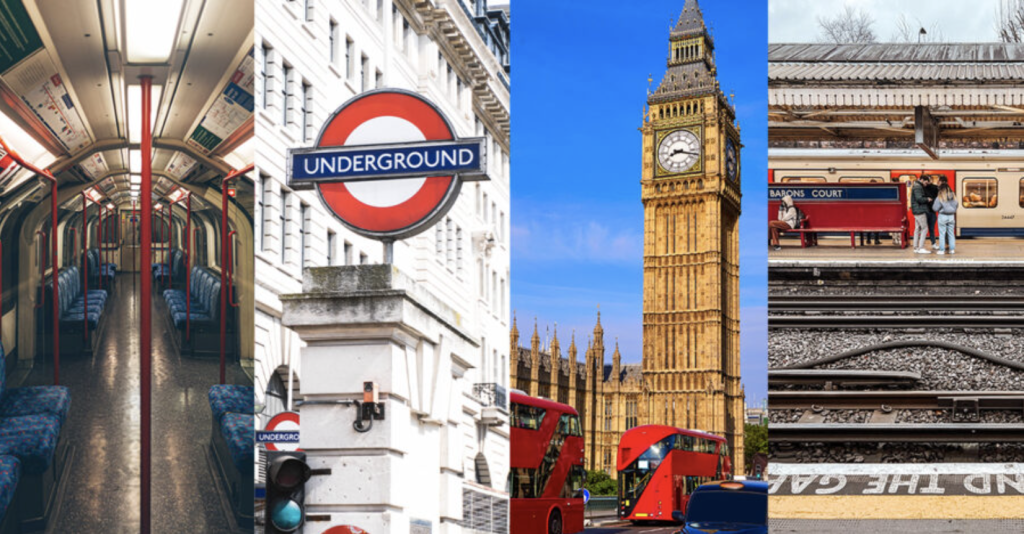
I know as students sometimes it’s easier or quicker to just use Uber or Bolt to get to a location, but what we don’t realize is the impact of our carbon footprint. Living in London is a big advantage for us since there are many ways to transport, we have access to the tube, overground, buses and Lime bikes. Now you might think using the bus has the same effect as Uber or Blot, but luckily over 1000 buses in London are now zero-emission. Using these options would decrease both your carbon footprint and make you spend less.
Mindful spending choices
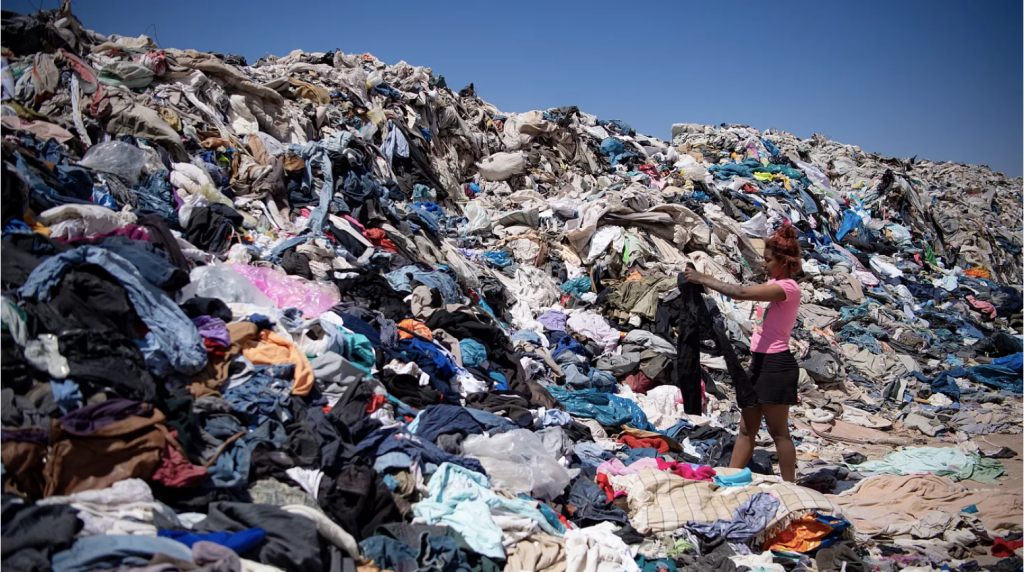
As I have mentioned earlier in this blog, one of the small changes we can make to be more sustainable is being mindful to our consumerism. In our society and the heavy impact of social media, the trend of fast fashion has become overwhelmingly popular. Every time I open Tik-Tok it’s a new fashion trend that will last for about a week but speaking from past experience, I will unfortunately follow the trends. As a student I realized this was affecting my budget and how much I would spend on clothes that I would no longer be wearing in a month. A solution I found to this problem was to consider what you need. There would be times where I wouldn’t buy anything unless I needed it. This changed my way of thinking when purchasing items and made me less impulsive to fast fashion trends. This was initially due to just budgeting and controlling what I’m spending; however, I realized there is a positive impact on this. When we buy less, research shows that supply chain waist is reduced by 50% (LSE, 2023). Not only are you spending less, but you’re also impacting the environment in a positive way, which is what we need nowadays (LSE, 2023).
To Wrap Things up
Sustainability seemed complicated to me, but what I realized is that it really is the choices we make every day. For me, it started with budgeting then it evolved into realizing how my own routines affect the environment. Through this process, I realized that it’s not about having the “right” routine, but instead, forming a mindset of awareness and accountability. It’s about recognizing when the convenience-focused choice impacts the environment and acting against it when it’s possible to do so. For me, that means using public transport, not buying out of impulse, or simply using energy thoughtfully. Doing what we can to help the environment helps us recognize that the integration of sustainability isn’t external to living as a student, but rather, it’s a part of it. Our university, our cities, and even group projects offer us the opportunity for awareness-based choice-making. In the end, it’s less about doing the impossible, and more about thinking of our choices that reflect living in a balanced and thoughtful way. It is up to us students to take the initiative and make the right choice.
References:
Greenpeace (2021). Plastic Pollution | Greenpeace UK. [online] Greenpeace UK. Available at: https://www.greenpeace.org.uk/challenges/plastic-pollution/.
White, K., Hardisty, D. and Habib, R. (2019). The Elusive Green Consumer. [online] Harvard Business Review. Available at: https://hbr.org/2019/07/the-elusive-green-consumer.
sustainability.admin.ox.ac.uk. (2025). Be energy friendly. [online] Available at: https://sustainability.admin.ox.ac.uk/article/energy-efficiency.
Sustainable Bliss | Self-Care and Intentional Living. (n.d.). How to Be a More Conscious Consumer. [online] Available at: https://www.sustainableblissco.com/journal/how-to-be-a-more-conscious-consumer.
Zero Waste Scotland (2023). The environmental benefits of reusable plastic over single-use products | Zero Waste Scotland. [online] www.zerowastescotland.org.uk. Available at: https://www.zerowastescotland.org.uk/resources/environmental-benefits-reusable-plastic.
U.S. Department Of Energy (n.d.). Why Energy Efficiency Matters. [online] Energy.gov. Available at: https://www.energy.gov/energysaver/why-energy-efficiency-matters.
WWF (2024). WWF Footprint Calculator. [online] Wwf.org.uk. Available at: https://footprint.wwf.org.uk/.
Transport for London (2023). London reaches major milestone with more than 1,000 zero emission buses. [online] Transport for London. Available at: https://tfl.gov.uk/info-for/media/press-releases/2023/august/london-reaches-major-milestone-with-more-than-1-000-zero-emission-buses.
Hardy, A. (2025). What Is Fast Fashion, Exactly? [online] British Vogue. Available at: https://www.vogue.co.uk/article/what-is-fast-fashion.
Choudhary, K. (2023). Remodelling fast fashion: understanding the need to accelerate sustainability in the fashion industry and how the UK can respond. [online] Grantham Research Institute on climate change and the environment. Available at: https://www.lse.ac.uk/granthaminstitute/news/remodelling-fast-fashion-understanding-the-need-to-accelerate-sustainability-in-the-fashion-industry-and-how-the-uk-can-respond/.